© The White Window 2026 | All Rights Reserved


How to prepare for your first therapy session?
By Manse M Doshi
Getting Started with Therapy
How to prepare for your first therapy session?
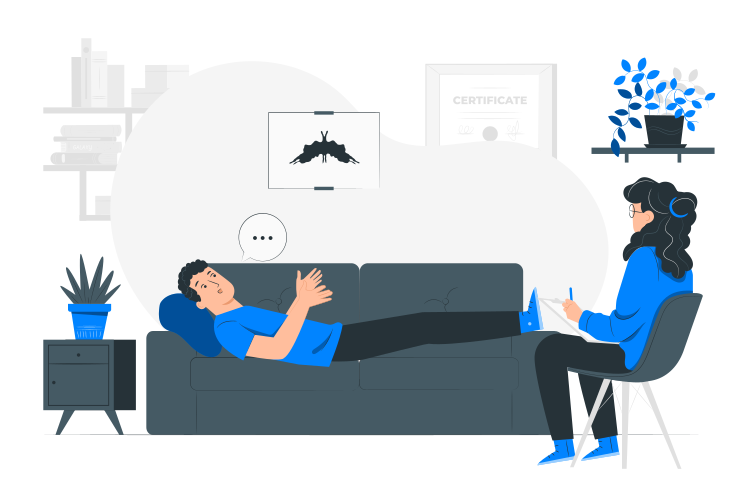
Because beginning is often the bravest step.
Starting therapy can feel like opening a door to parts of yourself you’ve kept quietly tucked away. It’s courageous—and also completely normal—to feel unsure about how to begin. Many people wonder what they’re supposed to say, how much to share, or whether they’re even “ready” to start. If you’re preparing for your first session, here are some gentle, grounding reminders to help you walk in with more ease and self-compassion.
1. First and foremost: you don’t need to be “ready.”
There’s no emotional checklist to complete before therapy begins. You don’t need perfectly organized thoughts or a polished story. Therapy is not a performance—it’s a space to explore, reflect, and understand things as they unfold. Your therapist expects uncertainty. They expect gaps in your story. They expect complexity. All you have to bring is yourself.
2. Take a moment to reflect—gently, and without pressure
Some people find it helpful to think about a few guiding questions before their first session:
What made you reach out for therapy now? What concerns or experiences feel heaviest lately? Have you noticed patterns—emotional, relational, physical—that keep showing up?
You do not need to prepare your entire life history. Starting exactly where you are is more than enough.
3. Set realistic expectations (therapy is a process, not a quick fix)
The first session is typically about:
Getting to know each other Talking through what brings you to therapy Understanding how therapy works and what support might look like
You may not walk out feeling “better,” and that’s perfectly okay. Early sessions are about building safety and trust, not rushing into solutions.
4. Be honest about your comfort level
Your emotional pace matters. Therapy works best when you allow yourself to be truthful about where you’re at—even if where you’re at is unsure. You’re always allowed to say:
“I’m nervous.” “I don’t know where to start.” “I’m not ready to talk about that yet.”
A supportive therapist will meet you where you are, not where you think you should be.
5. A few practical steps (optional but helpful)
Small logistical choices can make the experience feel more grounded:
Choose a quiet, private space if your session is online Arrive a few minutes early to catch your breath Bring notes if you’re worried you’ll forget what you want to say Wear something comfortable—your body deserves to feel at ease too
Think of these as gentle supports, not requirements.
6. Remember: therapy is collaborative
You’re not entering a space where someone sits back and evaluates you. You’re entering a relationship built on:
curiosity compassion consent shared understanding
It’s a process you and your therapist shape together—one session at a time.
7. After the session: give yourself space
It’s common to feel a mix of things afterward:
Emotional Tired Relieved Unsure Open Quiet
Your mind and body may still be processing. Therapy often continues working long after you’ve left the room.
Starting therapy isn’t a sign of weakness—it’s a sign of self-respect Something in you is seeking care, clarity, or change. And choosing to listen to that part of yourself is a profound step toward healing. You don’t have to have everything figured out. You just have to begin.















































Manse M Doshi
I'm a Clinical Psychologist and Psychotherapist dedicated to fostering mental well‑being through evidence‑based care. With expertise in individual, couples, and family therapy, I help clients navigate challenges with clarity and resilience. My approach blends clinical rigor with empathy, creating a safe and supportive space for personal growth.